Treating employee exits with dignity

In the recent past, I have seen three high profile exits from the corporate sector. In all three cases, it was the CEO, who left the company. The CEO was appointed with great fan fare and each of them built the company and made them grow ,much ahead of their competition.

I admire all these companies and their former CEOs. I have not worked with any of them nor do I know them personally. But all these are great brands in different sectors, are publicly listed and admired by their share holders.

Interestingly these companies operate in different geographies ,of the world. They are global and regional in the markets ,they operate. They have survived, grown and are successful since many decades.

I do understand that it is the prerogative of the promoters or the majority shareholders to decide who the CEO of the company would be and how long they would continue. They have a right to decide the person and their tenure. My concern is not on the who the CEO would be and how long they are in office. My worry is that ,after each of them have successfully run your organisation for many years, you abruptly ask them to leave and deal with their exit ,in an undignified manner.

I am sure ,due process may have been followed to appoint and terminate the services of their CEOs in each of the three companies. Their board of directors would have passed a resolution , both for their appointment and their termination. But, the way the process has been handled , needs a lot to be desired.

Being a life long HR professional, I have always professed that every employee who leaves the organisation ,for whatever reason ( except for ethics or integrity issues) needs to be dealt with dignity ,while they leave. We need to remember ,that every employee leaving us ,is a brand ambassador of the company . He or she will talk about the company, the way they have been treated, after they leave the company.

I cannot imagine a CEO, who has given his or her blood and sweat for the organisation ,to survive and grow in a highly competitive market place ,to be treated in an undignified way and abruptly relieved from the organisation ,with no notice. This not only hurts the reputation of the organisation but also adversely impacts the morale of the employees ,working in the organisation. The employees think that, if this can happen to a successful CEO, what would happen to them, who are lower down ,in the hierarchy.

I do understand that all of us make mistakes and so do the board members. But, one needs to learn a lesson from the mistakes done by other organisations and course correct their behaviour and actions. If we have seen such things happening around us, we have to ensure that this does not happen again ,in our organisation. We can always decide who our next CEO has to be, but to deal with the previous CEO and his or her exit, with dignity and respect ,is our responsibility and duty. This is not only beneficial to the organisation but also ,to keep the morale of the employees in the organisation ,intact.

Let us learn to treat every employee leaving the organisation with dignity and respect and make them our brand ambassadors from today.

S Ramesh Shankar

17th Nov 2025

E

Who are our real inheritors in life ?

The other day, I was watching a TV quiz show, wherein the anchor, one of the leading actors in India shared a quote from his father’s poetry. His father was one of the leading poets of India. It read something like this in Hindi – “ Mere Bete, Bete hone se, mere uttaradhikhari nahin honge, jo mere uttaradhikari honge, woh mere bete honge”. If roughly translated, it means – “My sons, being my sons, will not be my inheritors, those who will be inheritors will be my sons”.

This was very insightful and it is applicable, both in personal and professional lives. Let us first understand this deep thought from an organisational perspective. My true successor may not be the senior most person in my team. The real successor will be the most competent member to take over from me.

Even in a sports team, we have seen it, multiple times. The most experienced player may not succeed the captain, but the successor to the captain is the best player to succeed.

Life is no different. I was surprised to learn recently that the Pandya dynasty kings had this thought in their kingdom. The eldest son need not be the successor of the king, if the king finds someone other son, daughter, nephew or niece, more competent to succeed him. The successor declared by the king is the true inheritor of the king. Imagine a poet in the early 20th century having a similar insight.

What we need to learn from this insight is that we do not succeed anyone by being the senior most in a team or being the eldest in the family. We succeed someone, because we are the most competent member in the team or the family.

Succession has to be earned by our competence and cannot be determined by our seniority or gender. In life and work, we tend to assume many things erroneously. We need to understand everything in the right perspective.

Even as per law of inheritance in India, we do not inherit anything from our parents, if it is a self acquired wealth. Similarly, even in organisations , succession planning does not necessarily follow the seniority principle. Rather, sometimes, successors could even be from outside the organisation.

Even in sports, the most competent leader succeeds the captain and not necessarily the senior most player in the team. Seniority and experience is important but does not give us a birth right to succession.

We need to earn our right to succeed by our competence and character. It does not come by seniority, gender or experience. This is indeed a great insight for us in life and work.

Let us earn our rights from today.

S Ramesh Shankar

7th Jan 2025

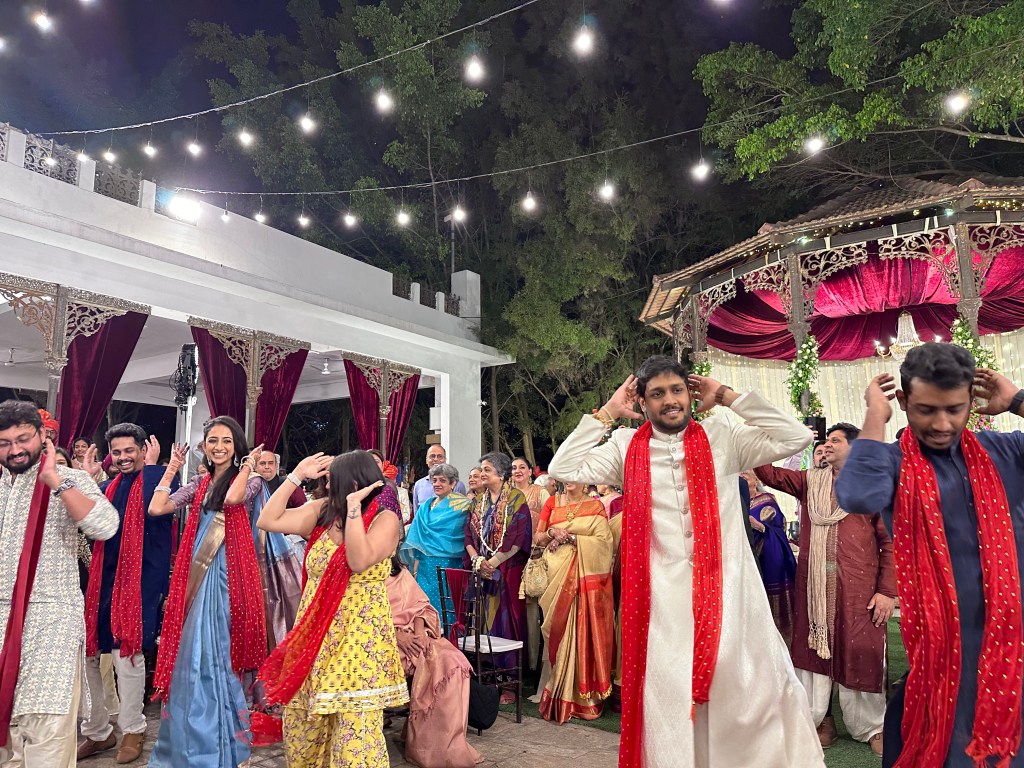
Life is like a party

Someone sent me a nice quote, which read that “Life is like a party” – some will come early, some later, some will enjoy while others will crib. Some will leave early while some others will leave late. Only a few will stay back after the party is over ,to clean up the place ,along with you.

So, you know, who your true friends are. Some come for maintaining their status, others come in to make their presence felt. Some consider it a formality while some others want to enjoy every moment of the party. But, when the party is over and it is time to clean up the place, very few will stay behind for that ,with you.

Life is no different. We meet all kinds of people, all along our way in life. Of course our family members join us early in this journey and generally stay back till the end. Friends may come and go as they deem fit but true friends will stay with you ,till the end of your journey.

We need to develop the ability to understand different types of people, whom we meet along the life journey. Some join us with a purpose and as soon as their purpose is fulfilled, will leave and go. Some others want to be with us ,for our wealth or comforts. They may be the first to leave if we get into any financial trouble or any other issue, which may impact their comforts.

True friends and relatives stay with you all through your thick and thin in life. The beauty of these friends is that are unconditional and never expect anything from you. They love you unconditionally and care for you always. Today I got a call from a friend of over four decades, who belongs to this category. We started our career together and treaded different routes ,to achieve our career goals. Both of us achieved what we could, in our respective careers. However, neither our position nor social status ever determined the quality of our friendship.

The quality of true relationships goes beyond money, time and status in society. We care for each other as honest human beings and enjoy each other’s company always. We do not use each other but are there for each other ,without even being sought for. A true friend may not call you or visit you for months or years but will always be around, whenever you need their support. They are just a call away, always.

So, life is indeed like a party ,we host at home. We may invite a wide variety of people. Some we enjoy, others enjoy at our expense. Some like us and others may not. But the true friends will be there with no invitation or no purpose beyond their care for you. They will be around from the beginning of the party till the end and clean up the place along with you and then leave.

We need to develop the ability to understand the different kinds of people. While we may not have a choice always to choose whom we would like to invite for the party, we can always learn to differentiate the rice from the husk. True friends are loving, caring and compassionate. They are with you during good and bad times.

Let us learn to enjoy the party of life with all kinds of people around us.

S Ramesh Shankar

10th Jan 2025