

The International Women’s day celebrated on 8th March every year reminds us of the role of women in society. It is true that in India and around the world, women have played a stellar role in leadership in family, organisations and society. History teaches us of brave women who have transformed societies with their selfless leadership. We in India have the privilege of women playing a pivotal role in all walks of life. We have had freedom fighters, politicians, a noble laureate, historians, academics and very recently space scientists, who have made our country proud by their outstanding accomplishments.
In my book, leadership is gender agnostic. We need to lead by example and be a role model for our followers. Leaders inspire change. How does it matter whether you are a male or a female leader ? It does not. I have worked with women and men leaders and have found them equally inspiring to lead. So, gender does not matter to determine your quality of leadership. What matters is our ability to understand the needs of a multigenerational workforce and how to keep them engaged and motivated.
What are the new age imperatives, which the women leaders of today are challenged with ? The first and the foremost challenge for women leaders would be the unconscious bias of others. Although, I strongly believe that women are equal to men as leaders, there is a unconscious bias especially in the Indian society that women cannot lead in particular circumstances like a battlefield, flying fighter planes or even working in the shop floor of a manufacturing unit. In my view, the bias is more in our mind than in reality.
Today India can be proud to have women fighter pilots, space scientists, manufacturing managers and even captains in the defence forces. Thus all the so called male bastions have been shattered by sheer merit and performance. It is time for the biased Indian male to wake up and realise that women today are not only equal to men but could be even better in many fields purely based on their talent.
The second challenge which women leaders may face in the new age would be the willingness of men and women under them to accept them as leaders. As I said earlier that having worked under women leaders, I do not find any change between men and women as leaders. But the feudal mindset of men and women may make them uncomfortable to accept a woman as a leader. This may be experienced by many women leaders and they get over it by their sheer performance and inspiration.
The third imperative could be the balance of work and life. It is very difficult for women leaders to balance family needs and work needs unless they have an excellent family support. In the absense of this support mechanism, it could result in strained family relationship or sometimes giving up a challenging career at your peak. Most women leaders work double of their male counterparts since they have to balance home and work and this is a big ask of them.
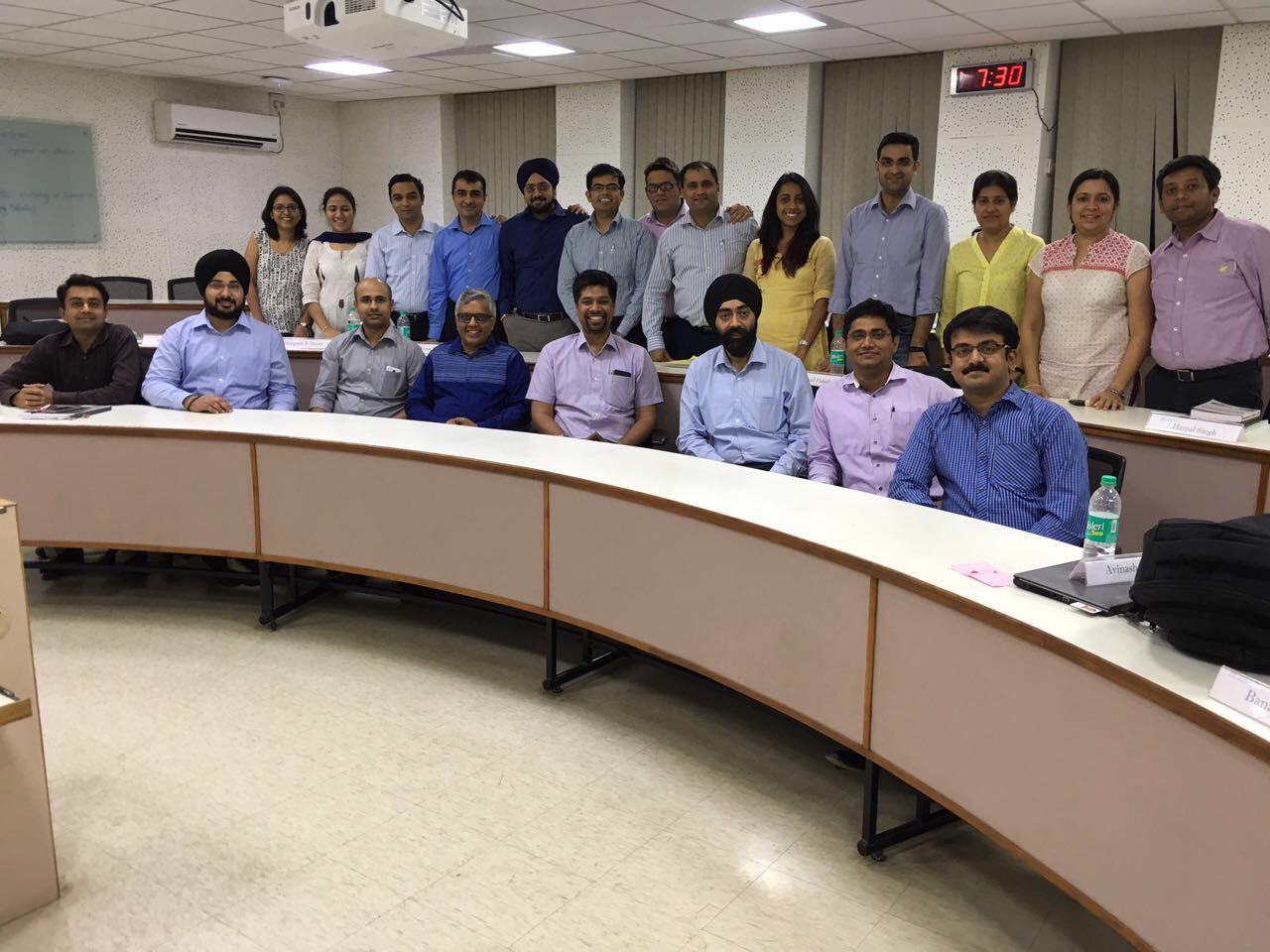
As in the photo above, women leaders have equalled men in all aspects of leadership.
Having said that, I would like to restate that in my books, women leaders are as smart as male leaders if not smarter.
It is time to reflect and support them to succeed.
S Ramesh Shankar
 Hrishti - S Ramesh Shankar